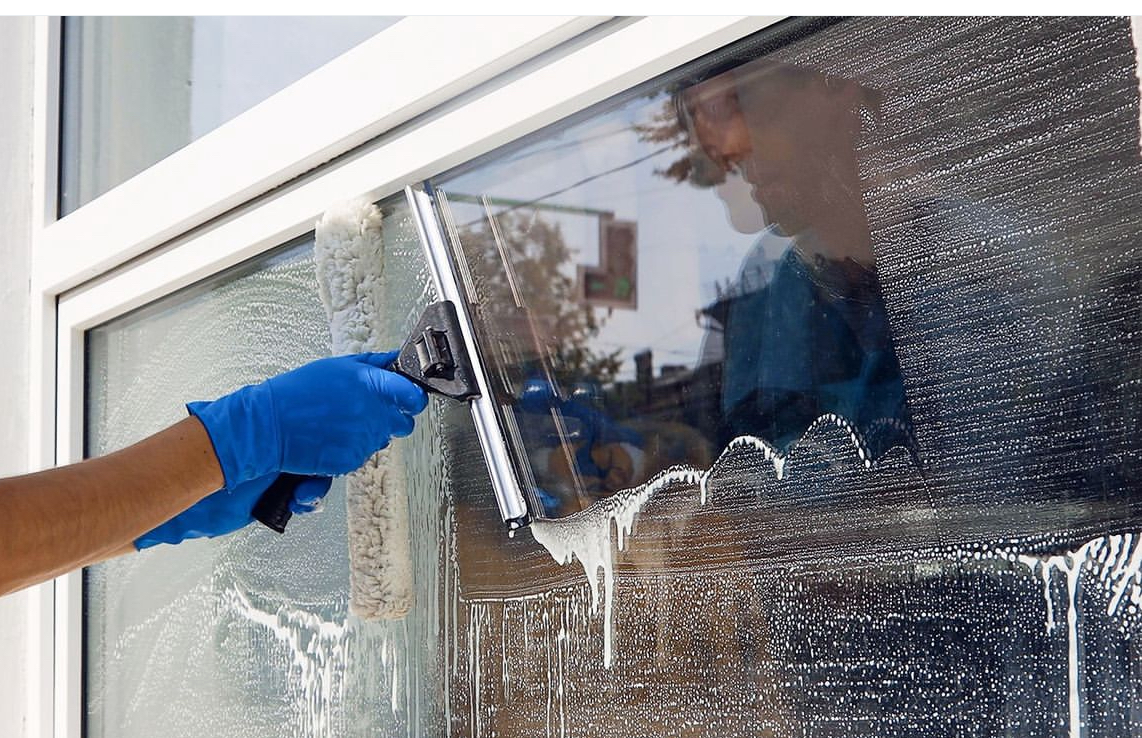
Why Streak-Free Windows Matter More Than You Think
Clear, gleaming windows do more than just brighten a room—they elevate the entire perception of cleanliness and care. For homeowners and property managers in humid climates like Lake Worth, FL, window streaks, water spots, and foggy film are common frustrations caused by mineral buildup, improper cleaning techniques, and environmental factors like salt air and pollen. These blemishes don’t just dull curb appeal—they can make even well-maintained interiors feel neglected. Whether you're preparing a vacation rental for guest arrival or enhancing natural light in your home, achieving a streak-free finish is a small detail with big impact.
In this guide, you’ll learn the science behind streak formation, the right tools and solutions for different glass types, and the step-by-step methods professionals use to deliver crystal-clear results. You’ll also discover when DIY efforts fall short—such as with hard-to-reach upper stories, persistent mineral deposits, or delicate tinted glass—and how recognizing those limits can save time and prevent damage. From squeegee techniques to choosing the best cleaning weather, these insights are designed to help you achieve professional-grade clarity safely and consistently.
Shine Every Surface: Your Step-by-Step Guide to Streak-Free Windows
Achieving crystal-clear windows at home doesn’t require professional gear—just the right supplies, technique, and timing. Whether you’re prepping your Lake Worth, FL rental between guests or maintaining a private residence, this systematic approach ensures gleaming, streak-free glass without damage or wasted effort.
- Gather the Right Tools Stock a cleaning caddy with distilled white vinegar, isopropyl alcohol, lint-free microfiber cloths, a squeegee with a rubber blade, soft-bristle brush, bucket, and an extension pole for hard-to-reach areas. Avoid paper towels or coarse cloths that scratch and leave fibers.
- Prep the Window Safely Remove dust, cobwebs, and loose grime using a dry microfiber cloth or soft brush. For screened windows common in South Florida homes, clean the mesh first to prevent debris from transferring during washing.
- Mix a Streak-Free Solution Combine one part white vinegar with three parts distilled water in a spray bottle. Add a capful of isopropyl alcohol to speed drying in humid climates—ideal for Lake Worth’s muggy conditions.
- Apply and Wipe Strategically Spray the solution generously, then wipe top-to-bottom with a damp microfiber cloth. For large panes, use a squeegee: pull horizontally across the glass, wiping the blade with a cloth after each pass.
- Dry and Polish Immediately buff edges and frames with a dry microfiber cloth to prevent water spots. Clean both sides for maximum clarity—especially critical for street-facing or balcony windows.
Pro tip: Clean windows on a cloudy day or when surfaces are cool to avoid rapid drying and streaks. Repeat weekly in high-salt, high-humidity areas to preserve glass integrity and views.
Why Your Windows Keep Streaking: 5 Common Culprits to Avoid
Streaks and smudges on glass aren’t just unsightly—they’re often signs of overlooked environmental and cleaning missteps. Understanding these root causes helps maintain crystal-clear windows year-round, especially in humid climates like Lake Worth, FL, where moisture and mineral buildup accelerate issues.
- Dirty Squeegees or Worn Blades A grimy squeegee spreads grime instead of removing it. Replace rubber blades regularly and clean the entire tool after each use to prevent lint and residue from transferring back onto glass.
- Using Tap Water in High-Mineral Areas Hard water leaves behind calcium and lime spots as it dries. Opt for purified or distilled water when mixing cleaning solutions, particularly in South Florida’s mineral-rich water supply, to avoid foggy film.
- Cleaning in Direct Sunlight UV exposure causes cleaning solutions to dry too quickly, trapping dirt and creating streaks. Always clean windows during overcast conditions or in the early morning/late evening.
- Incorrect Rag or Cloth Material Paper towels and cotton rags often leave lint and fibers. Use high-quality microfiber cloths designed for glass—they lift dirt without scratching or leaving residue.
- Overlooking Environmental Debris Pollen, sea spray, and urban pollution settle on panes, creating a film that resists basic cleaning. Rinse windows with water first to remove loose particles before applying detergent. This is especially crucial in coastal areas where salt accumulation dulls glass rapidly.
When to Call the Pros: 5 Scenarios Where Professional Window Cleaning Makes All the Difference
Not every window cleaning job is a do-it-yourself project. While routine maintenance can be handled with a squeegee and some elbow grease, there are specific situations where hiring a professional service is not just convenient—it’s essential for safety, effectiveness, and preserving the integrity of your property. Recognizing these scenarios can save you time, reduce risk, and deliver results that DIY methods simply can’t match.
- Hard-to-Reach Windows on Multi-Story Homes Windows located on upper floors, skylights, or in awkward spots like sloped roofs or behind railings pose serious safety hazards. Professionals use extendable poles, rope access systems, or scaffolding to access these areas safely—especially critical in densely populated areas like Lake Worth, FL, where homes often feature two-story designs and landscaped exteriors.
- Severe Buildup from Salt, Hard Water, or Pollution Coastal homes face unique challenges with salt spray corroding glass, while hard water leaves stubborn mineral deposits. Standard cleaners rarely cut through this grime. Trained technicians use specialized solutions and techniques like water-fed poles with purified water to dissolve buildup without scratching delicate surfaces.
- Delicate Window Materials or Historical Frames Older homes with vintage wood sashes, leaded glass, or custom finishes require careful handling. Professionals know the right pressure, tools, and cleaning agents to avoid warping frames or damaging weatherproof seals—common issues in historic districts.
- Commercial or Large-Scale Properties Office buildings, retail centers, or vacation rental portfolios demand consistency and speed. Pros bring industrial-grade equipment and crew coordination to clean multiple units quickly and safely, minimizing downtime and maintaining curb appeal.
- Post-Construction or Renovation Residue After building or remodeling, windows often accumulate adhesive drips, plaster dust, or paint splatter. Professionals remove these without etching the glass, using precision tools and chemical strippers suited for post-build scenarios.
Knowing when to call in experts ensures your glass stays streak-free, damage-free, and safe for everyone involved.
Your Window Cleaning Questions Answered: Expert Tips for Spotless Results
How often should I clean my windows to keep them streak-free? For most homes and businesses in climates like Lake Worth, FL, cleaning windows every 3–4 months maintains clarity and prevents buildup. Homes near coastal areas or high-traffic roads may need more frequent cleaning due to salt spray, dust, and pollutants. Regular cleaning prevents mineral deposits and grime from hardening on glass, making future cleanings easier and more effective.
What’s the best time of day to clean windows? Clean windows on a cloudy day or when direct sunlight isn’t hitting the panes. UV rays accelerate the drying process, causing cleaning solutions to evaporate too quickly and leave behind streaks. Early morning or late afternoon hours are ideal, especially in sunny South Florida, where midday heat is intense.
Can I use household products like vinegar for streak-free results? Yes, a diluted mix of white vinegar and water can work for light cleaning. However, for best results, use a pH-neutral glass cleaner designed to break down grease and environmental film without damaging window seals or frames. Avoid dish soaps, which can leave residue that attracts moisture and dirt.
Why do my windows always streak, and how can I fix it? Streaks are usually caused by dirty tools, incorrect technique, or residue buildup. Always use lint-free microfiber cloths and clean squeegees with a rubber blade in good condition. Wipe in an “S” pattern, then follow with a dry pull to remove excess moisture. Rinse tools frequently.
Do I need professional-grade tools for home window cleaning? Not necessarily, but investing in a quality squeegee, extension pole, and purified water system significantly improves results, especially for multi-story homes. For hard-to-reach windows or safety concerns, it’s smarter to call in local experts trained in elevated cleaning techniques.
When should I call a professional window cleaning service? If you notice etching, persistent mineral deposits, or difficulty accessing upper-level windows—especially in two-story Lake Worth homes—professional assessment is recommended. Pros use water-fed poles with deionized water to prevent spotting and safely clean overhead or commercial-grade windows without ladders.
How do weather conditions in Florida affect window maintenance? High humidity, salt air, and frequent storms accelerate grime accumulation and corrosion. Windows facing east or west often show more wear due to sun exposure and wind-driven debris. Seasonal cleaning schedules aligned with local weather patterns keep glass in optimal condition year-round.
Keep It Crystal Clear: Your Glass Care Game Plan
Achieving streak-free windows isn’t a one-time win—it’s an ongoing commitment to the right techniques and timing. By now, you’ve learned how dust, humidity, and improper tools can sabotage your results, especially in climates like Lake Worth, FL, where salt air and intense sun accelerate grime buildup on glass surfaces. The key takeaways? Use distilled water and microfiber cloths to avoid mineral deposits, clean early in the morning or late afternoon to prevent premature drying, and always work top to bottom in a consistent motion to minimize smears. For high or hard-to-reach windows, consider extendable poles with professional-grade scrubbers to maintain safety and efficiency.
Don’t overlook the importance of regular maintenance—schedule window cleaning every three to six months to preserve clarity and prevent stubborn buildup. Between professional cleanings, spot-treat fingerprints, water spots, and smudges with a vinegar-free glass solution to protect seals and frames. And when you notice persistent streaks, etching, or hard water damage, it’s time to call in local experts trained in soft washing and exterior detailing for vacation rental properties. Consistent care not only enhances curb appeal but also extends the life of your windows. Start today: assess your current routine, upgrade your supplies, and plan your next deep clean to ensure every pane shines like new.